Is Japan Hard to Navigate?
If you’ve ever looked at a Tokyo train map, you might have thought: “This looks impossible.”
With so many lines, stations, and operators, Japan’s transportation system can seem overwhelming at first — especially for first-time visitors.
But here’s the truth:
It’s much easier than it looks.
Why It Looks Complicated
Japan’s rail system is incredibly dense, especially in big cities like Tokyo.
There are multiple train companies, dozens of lines, and stations that can feel like entire underground cities.
At first glance, it can feel confusing — even intimidating.
But that complexity exists for one reason:
It’s built for efficiency.
Why It’s Actually Easy to Use
Once you start using it, Japan’s transportation system is surprisingly user-friendly.
1. Google Maps Works Perfectly
In Japan, Google Maps is extremely accurate.
It tells you:
- which train to take
- what platform to go to
- when the train arrives
- and even which car to board for the easiest transfer
2. Trains Are Always On Time
Unlike in many North American cities, trains in Japan are famously punctual.
If your train says it arrives at 10:02, it will arrive at 10:02.
This makes planning your trip much less stressful.
3. English Support Is Everywhere
In major cities, stations usually have:
- English signs
- English announcements
- station names written in English
Even if you don’t speak Japanese, it’s very hard to get completely lost.
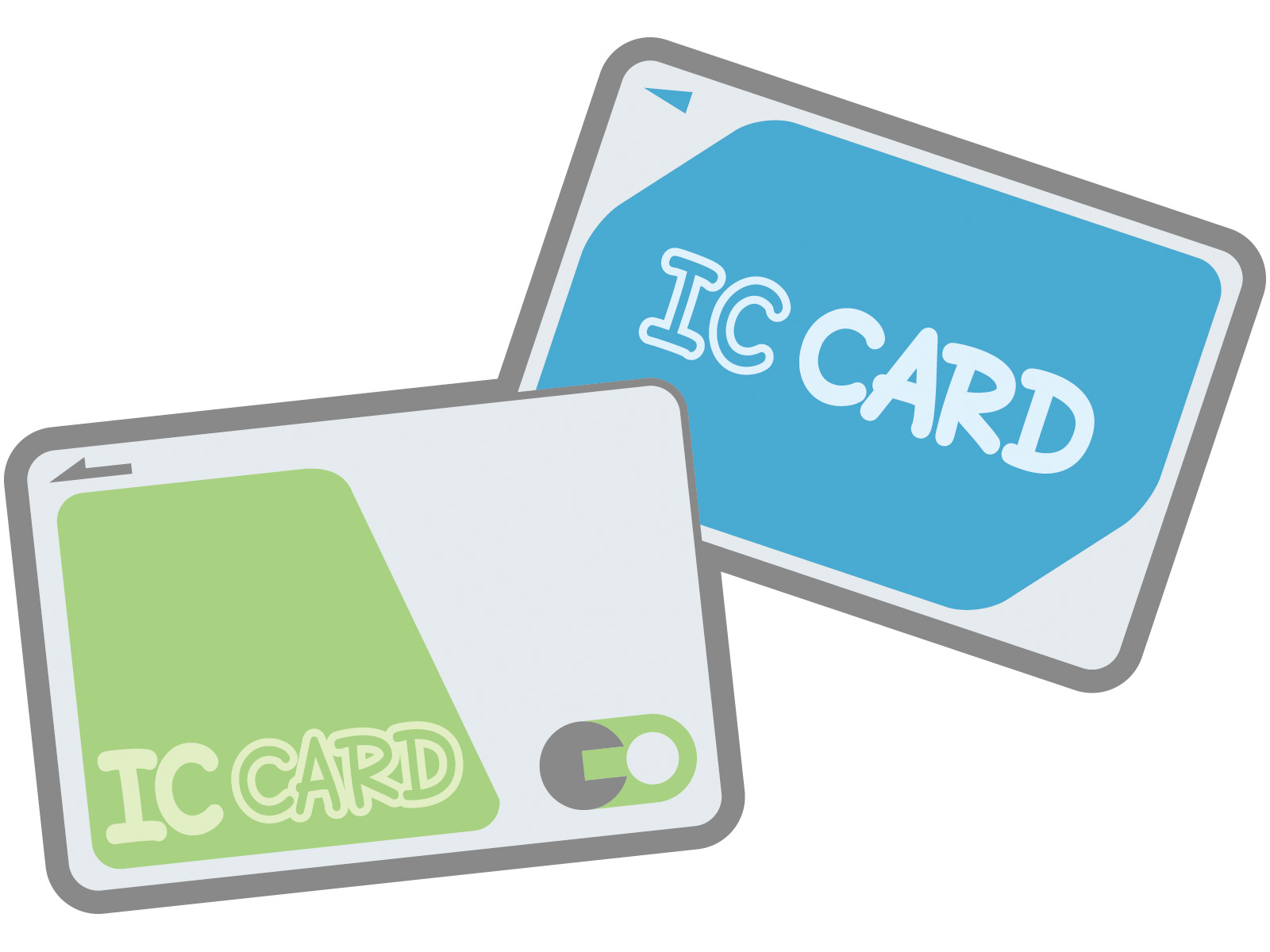
4. IC Cards Make Everything Simple
Instead of buying tickets every time, you can use an IC card like Welcome Suica.
It’s designed specifically for tourists and makes getting around Japan much easier.
With one card, you can:
- ride trains
- take buses
- and even pay at convenience stores and vending machines
Just tap in and out — no need to figure out ticket prices every time.
Where Can You Get a Welcome Suica?
You can easily get a Welcome Suica at major airports in Japan, such as:
- Narita Airport
- Haneda Airport
They are sold at JR East Travel Service Centers and ticket machines.
👉 It only takes a few minutes to get one, even if it’s your first time.
A Quick Note (Important)
While Welcome Suica is very convenient, it doesn’t cover everything.
You cannot use it for:
- Shinkansen (bullet trains)
- Limited express trains that require reserved seats
For those, you’ll need to buy a separate ticket.
Note: Welcome Suica can only be recharged with cash, so make sure to have some yen on hand.
What Might Be Challenging
To be honest, there are a few things that can feel confusing at first.
Large Stations
Some major stations can be huge.
For example, Shinjuku Station is one of the busiest stations in the world.
It may take a bit of time to find the right exit or platform.
Multiple Train Lines
Different companies operate different lines, and they don’t always connect seamlessly.
But again — Google Maps handles this very well.
So… Will You Get Lost?
Maybe once or twice.
And that’s completely normal.
But getting slightly lost in Japan is safe, manageable, and often part of the experience.
People are helpful, stations are well organized, and you’ll quickly get the hang of it.
Conclusion
Japan’s transportation might look intimidating on paper, but once you’re there, it’s one of the easiest countries to get around. Google Maps, IC cards, and clearly marked stations make the whole experience surprisingly smooth — even on your first trip.